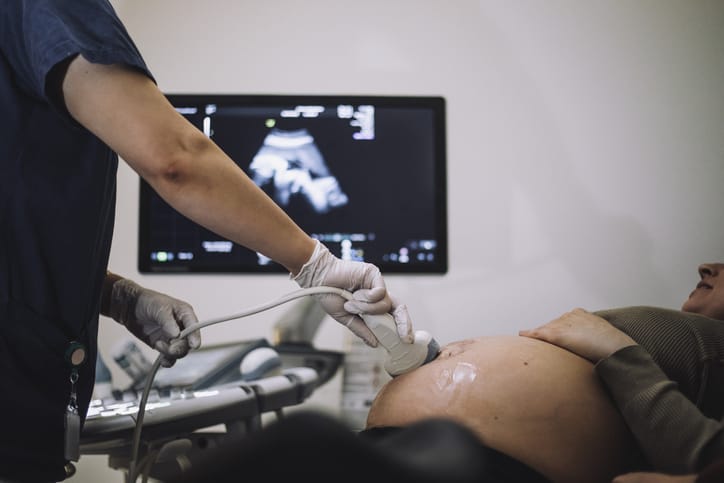
Ultrasound measurements help predict brain injury risk in infants
Blood flow patterns in the fetal brain can help predict neurological outcomes in growth-restricted pregnancies.

Blood flow patterns in the fetal brain can help predict neurological outcomes in growth-restricted pregnancies.

The authors stated the field has fallen behind other areas of medicine in developing new drugs and tools, limiting innovation.

Cold-stored platelets showed strong clot-forming activity according to lab data, but patient outcome benefits remain unproven.
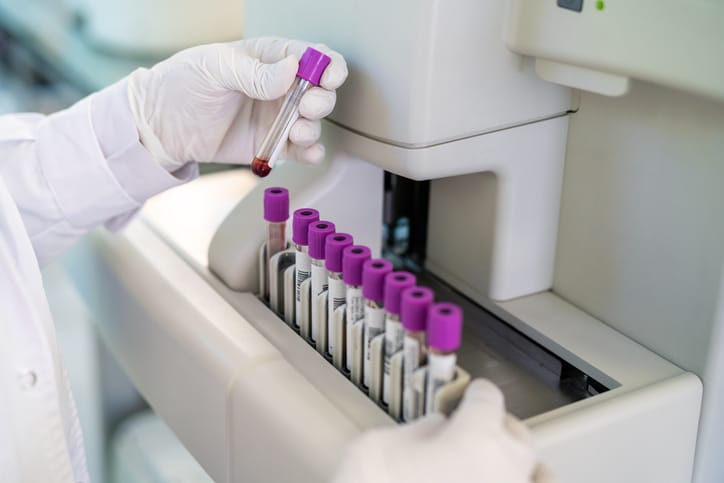
A recent study linked platelet donor sex, age and blood type to clumping that makes cold-stored platelet units unusable.

Most cases of low platelets in pregnancy are mild, but a meaningful subset require treatment and closer monitoring to support safe delivery.

Worsening of immune thrombocytopenia during pregnancy was relatively common among the women included in the study.

Low platelet levels in a newborn are not always caused by FNAIT, as highlighted in a recent case report.

Results of a Phase 3 trial will reveal whether nipocalimab can lower severe bleeding and death in infants at risk of FNAIT.

Many pregnant patients with low platelets did not respond well to preventive platelet transfusions, which are used to treat FNAIT.
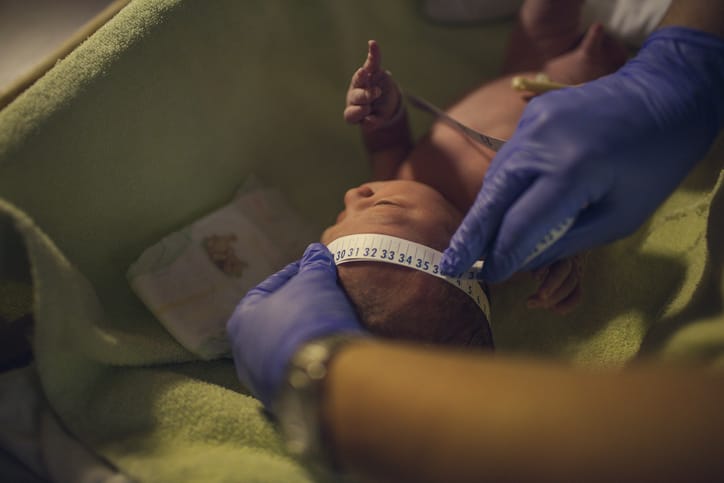
A history of severe thrombocytopenia in a previous affected pregnancy is strongly linked to severe disease in future pregnancies.