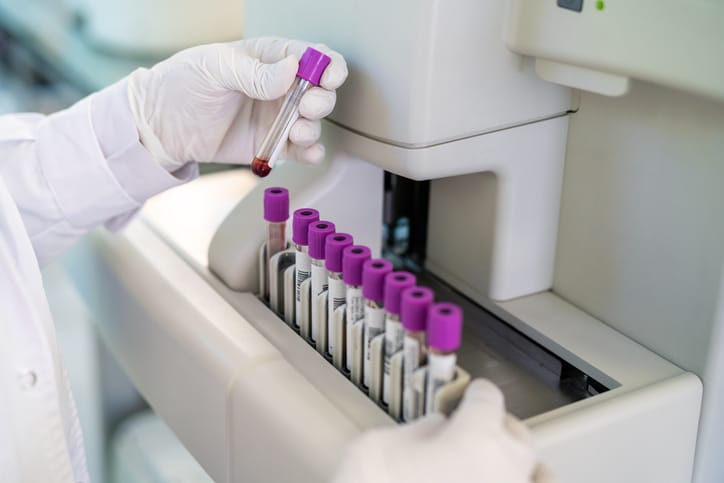
Cord blood transfusions improve outcomes in preterm infants
Cord blood red blood cell transfusions may improve clinical outcomes in extremely preterm infants, compared with standard adult donor blood.

Cord blood red blood cell transfusions may improve clinical outcomes in extremely preterm infants, compared with standard adult donor blood.

NICU admission, including for infants with FNAIT, was not linked to exclusive breastfeeding in the first six months.
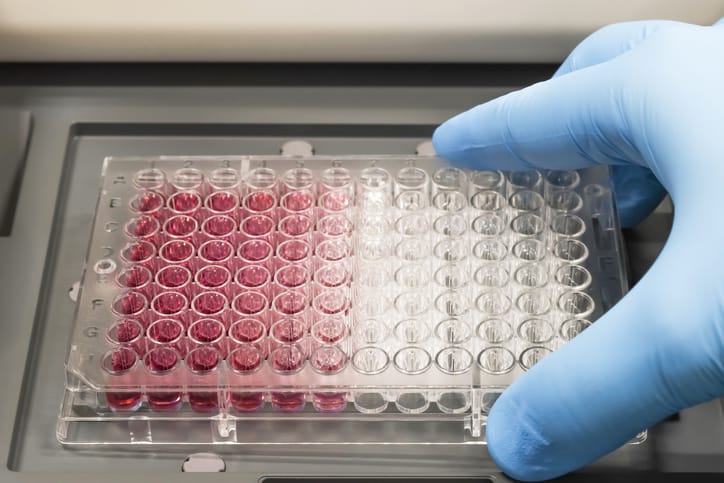
Delaying refrigeration of platelets by two or five days preserved key functional measures and supported usability through at least day 10.

Though digital tools boosted early engagement for perinatal mental health care, symptom relief matched traditional care.

Fewer than 1% of fetal monitoring tests in high-risk pregnancies ended with nonreassuring results, offering context for FNAIT care.

Thyroid nodules and Hashimoto’s thyroiditis were associated with a higher risk of platelet antibody positivity in pregnant women.

Perinatal depression could reduce how much mothers interact with their children, which is tied to a higher risk of developmental delays.

A Serbian study confirmed anti-HPA-1a is the most prevalent antibody in FNAIT, adding evidence to previous findings across Europe.

A study showed that early maternal genetic testing and IVIG therapy can prevent brain bleeding in infants during high-risk FNAIT pregnancies.

AI tools may help detect pregnancy risks such as FNAIT earlier and allow care plans to adjust in real time based on each patient.