

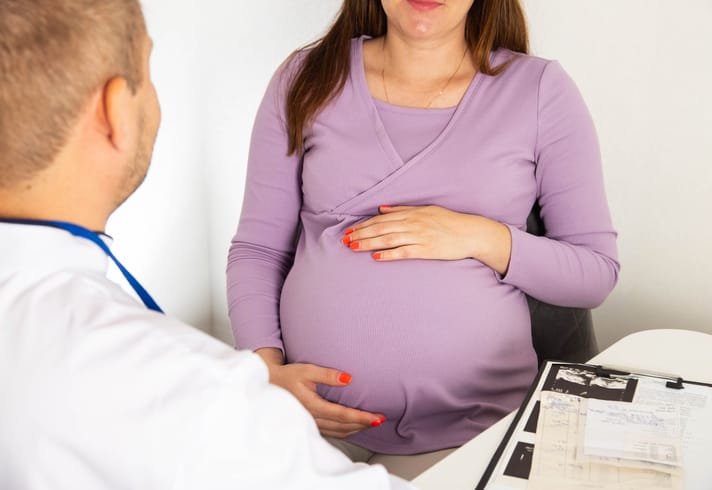

Receiving a diagnosis of fetal and neonatal alloimmune thrombocytopenia (FNAITFetal and neonatal alloimmune thrombocytopenia A rare condition in which a mother’s immune system attacks fetal platelets, leading to dangerously low platelet levels before and/or after birth.) can spark many questions, and if you were recently diagnosed, you may be wondering where to go from here. Educating yourself on all the different components of the disease like the condition itself, insurance, how to ask for support from loved ones and connect with others, treatment plans and finding resources can quickly make the diagnosis become a very prominent part of your life.
Looking back to when I received my FNAIT diagnosis, there are many things I wish I could have done to better understand how to move forward, and resources like FNAIT Companion would have been a huge help to me along the way.
Understanding FNAIT
FNAIT, fetal neonatal alloimmune thrombocytopeniaThrombocytopenia A platelet count that is lower than normal., is an extremely rare disease affecting around one in 1,500 pregnancies. It happens when a pregnant woman’s immune system mistakenly attacks the platelets that form clots and stop or prevent bleeding in the baby. A simpler way that I usually like to explain FNAIT is that the maternal antibodies attack the fetus’ platelets, which can then result in extremely low platelets at birth and a higher risk of developing an intracranial hemorrhageBrain bleed Bleeding inside the fetal brain, also known as an intracranial hemorrhage. In FNAIT, it's often caused by severe thrombocytopenia and can lead to long-term disability or death. .
It is very common for an infant affected by FNAIT to need a platelet transfusionPlatelet transfusion A treatment for newborns with very low platelet counts that ideally uses HPA-compatible or washed maternal platelets. shortly after birth. In addition to treatments right after birth and in the first few days and weeks following, there are specific treatments that will take place during pregnancy to ensure a safer delivery for both baby and mom.
Learn more about FNAIT signs and symptoms
Prenatal treatments for FNAIT
An important part of your treatment plan as a mom experiencing FNAIT will be intravenous immunoglobulinIntravenous immunoglobulin A treatment given to pregnant women with a history of FNAIT or known alloantibodies. IVIG reduces the immune reaction against fetal platelets. (IVIGIntravenous immunoglobulin A treatment given to pregnant women with a history of FNAIT or known alloantibodies. IVIG reduces the immune reaction against fetal platelets.), which helps to keep the baby’s platelets up. These infusions are usually given once a week from around 12-14 weeks gestation and up until delivery. Every situation is different, though, and your OBGYN and care team may change the frequency of your IVIG infusions.
Expect to be sitting for a while during each infusion, as IVIG is a sticky substance that can take anywhere from four to 12 hours to be fully infused. I always made sure to have a good book, plenty of snacks, water and even good shows and movies to watch.
Because I was pregnant during the COVID-19 pandemic, I was able to have an in-home nurse come to do my infusions instead of going to a hospital or infusion center. Depending on your location and country, the location of your infusions may vary. I have met other moms in the United States that went to an infusion center every week, some who also had in-home nurses and others who went to a hospital. Along with IVIG, you may also be prescribed a steroid. For me, that was prednisone.
What to expect during delivery
Every situation is unique, and each medical team will approach FNAIT in different ways, but most women will be encouraged to have a cesarean section delivery. There is less risk of the baby developing an intracranial hemorrhage and, in my case, my medical team was able to perform my cesarean section just two days after my last IVIG infusion, ensuring even more safety for my baby.
The importance of postpartum rest
Pregnancy and childbirth alone are enough to make anyone tired, but adding IVIG infusions and corticosteroids on top of that can be completely exhausting. Make sure to rest and take things easy during your postpartum period.
Resting and going slow is vital to recovery, especially after a major abdominal surgery like a cesarean section. I do regret not taking things easier after my delivery and can say now that resting more would have helped me stay in a better mental space.
Sign up here to get the latest news, perspectives, and information about FNAIT sent directly to your inbox. Registration is free and only takes a minute.