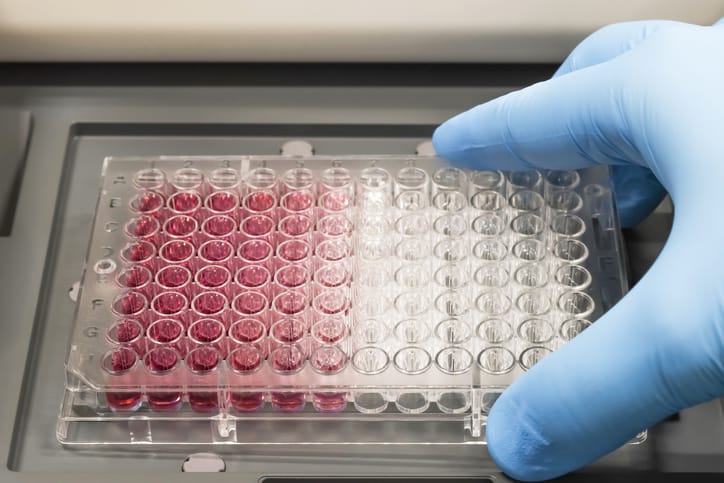
Better monitoring can improve quality of blood transfusions
Hospitals vary widely in how they track and improve their blood transfusion practices, according to a recent study.

Hospitals vary widely in how they track and improve their blood transfusion practices, according to a recent study.

Researchers found significantly higher HLA antibody mean fluorescence intensity in mothers with FNAIT compared with healthy controls.
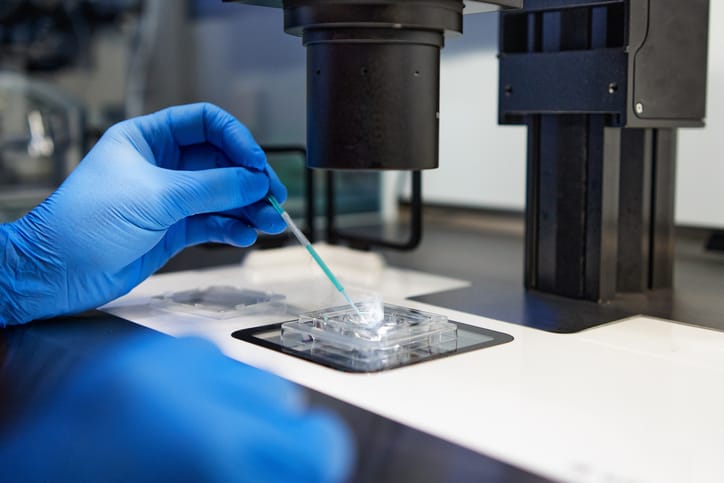
First-trimester screening can help detect fetal and neonatal alloimmune thrombocytopenia (FNAIT) before symptoms appear.

Dutch researchers found a new platelet antigen behind an FNAIT case; the same variant also caused this rare disorder in a German case.

For patients, focusing on mental health could lead to earlier recognition of symptoms, easier access to care and better support.
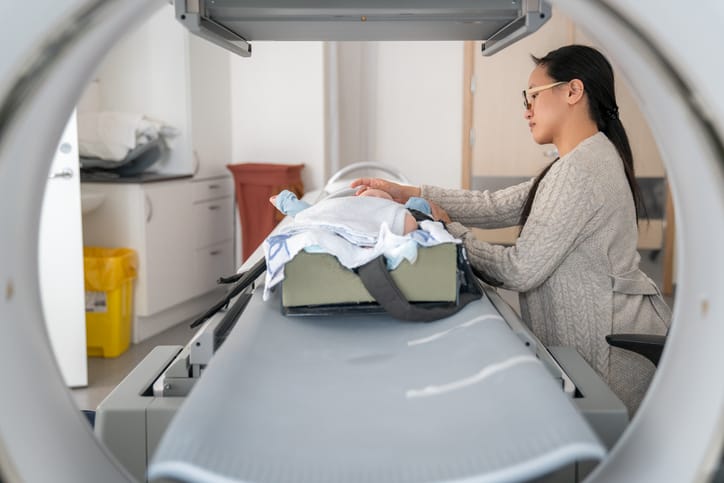
Neonatal brain injury has few proven treatments, but studies of stem cells and other therapies have shown early promise.

When a first pregnancy is affected by FNAIT, doctors can take specific steps in a later pregnancy to protect the next baby.

A prenatal care tool may help providers identify pregnant women with social risks who may benefit from closer monitoring and support.

The neonatal PAIN ladder may help guide comfort measures and medication decisions for babies with FNAIT who need NICU care.
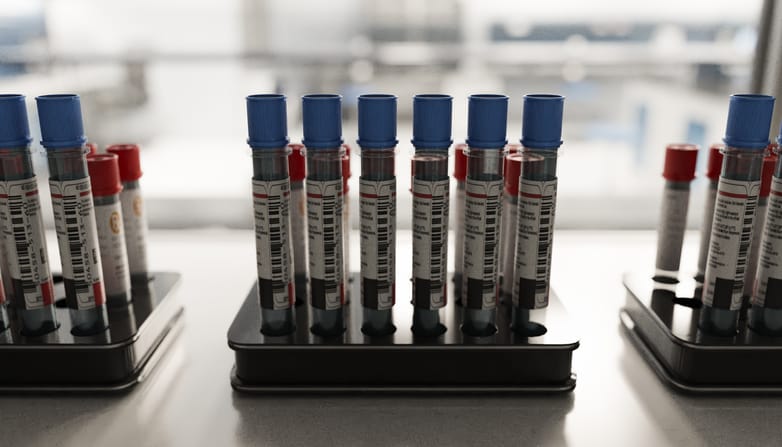
Blocking the immune receptor FcγRIII reduced platelet destruction in animal models, pointing to a possible treatment target in FNAIT.