
New test could help identify underlying cause of thrombocytopenia
The platelet desialylation test may help distinguish immune thrombocytopenia from inherited forms of thrombocytopenia.

The platelet desialylation test may help distinguish immune thrombocytopenia from inherited forms of thrombocytopenia.

A laboratory study found that maternal anti-HPA-1a antibodies may impair platelet function and help explain differences in FNAIT severity.
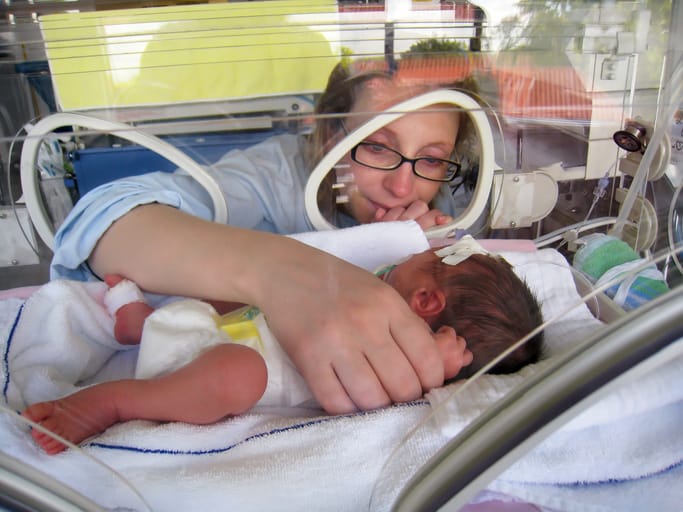
A commentary explored how parents can support newborn pain assessment, comfort planning and pain management during hospital care.

Earlier birth sharply raises the risk of intraventricular hemorrhage, but taking preventative measures before delivery can lower it.
A noninvasive blood test may reliably identify FNAIT risk early in pregnancy, avoiding invasive procedures, a new review finds.

A new way of analyzing DNA could improve testing for a difficult-to-identify cause of fetal and neonatal alloimmune thrombocytopenia.

Researchers genotyped samples from the Polish Platelet Donor Registry to improve transfusion compatibility for FNAIT.

Differences in antigen coverage and sensitivity in FNAIT testing methods may affect the detection of clinically relevant antibodies.

Financial, emotional and traumatic stress during pregnancy were linked to a 5% to 7% higher risk of preterm birth.

FNAIT was confirmed by platelet antigen testing in a patient whose first baby was born with a brain bleed.