Updated MRI guidance could improve brain monitoring in FNAIT
New guidelines aim to standardize neonatal magnetic resonance imaging (MRI) practices, which currently vary widely across centers.

New guidelines aim to standardize neonatal magnetic resonance imaging (MRI) practices, which currently vary widely across centers.

An otherwise healthy newborn child born at full term was unexpectedly diagnosed with FNAIT, prompting investigations into possible causes.

Doctors can now accurately determine a baby’s blood group during pregnancy using a simple blood test from the mother.

The study is the first to identify newborns simultaneously affected by rare blood disorders FNAIT and NAIN.

Researchers identified a number of factors that may contribute to mortality among newborns diagnosed with thrombocytopenia.

Researchers proposed a new framework that considers the “whole system” of transfusion exposure in newborn care.

A case report suggested that in some cases, preeclampsia may not be a separate condition but a consequence of FNAIT.
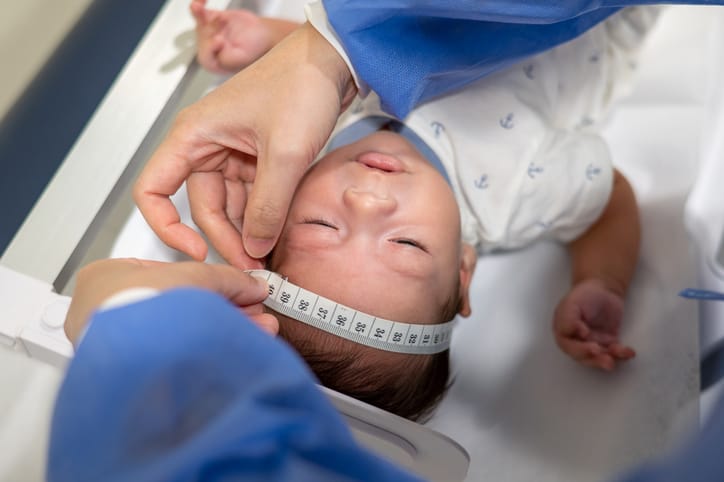
A recent study showed that specific imaging patterns could help physicians determine the cause of neonatal brain bleeds.

A study found that anti-HLA antibodies can trigger mild thrombocytopenia in mice, but their ability to cause FNAIT is uncertain.
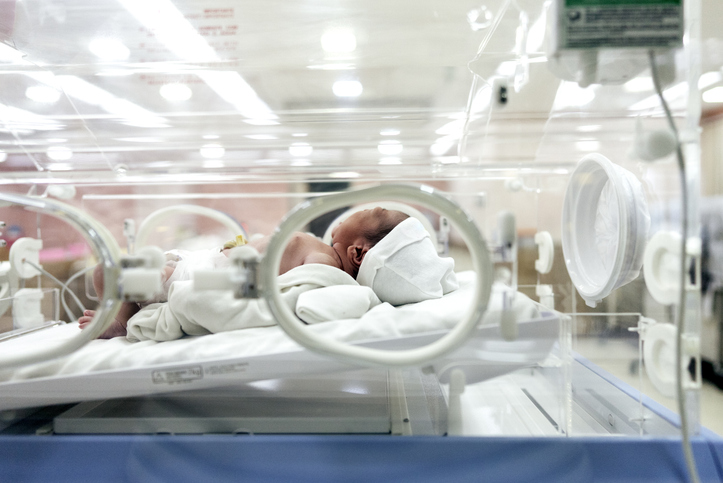
Premature infants with low platelets, often tied to FNAIT, experienced longer hospital stays and more severe breathing problems.