
The role of the spleen in FNAIT
Learn more about the role and function of the spleen, which is a major site of platelet destruction, in FNAIT.

Learn more about the role and function of the spleen, which is a major site of platelet destruction, in FNAIT.
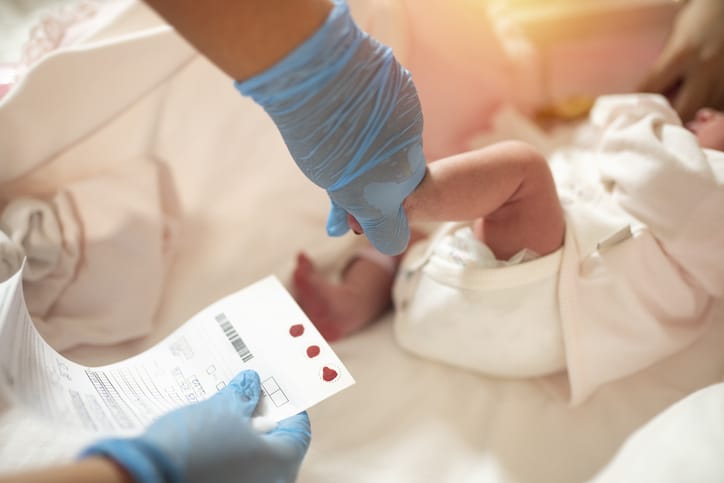
Learn more about the blood tests your doctor may recommend if your infant shows signs of FNAIT after delivery.

Find out why, in some cases, FNAIT can resolve itself without treatment or interference from medical professionals.

If you are pregnant and think your infant may be at risk of FNAIT, choosing the right hospital for your care can help you avoid complications.

Learn more about how physicians and nurses in the NICU monitor newborns who are at risk of internal bleeding.

Learn more about the similarities and differences between autoimmunization and alloimmunization, which both involve an immune response.

Learn more about how imaging methods like ultrasounds, MRIs and CT scans can be used to detect brain bleeds in infants.
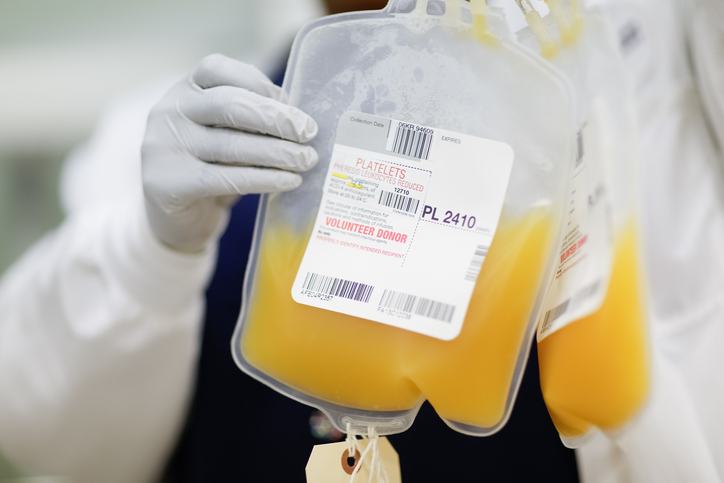
Learn more about what refractoriness is and why it can sometimes happen if a platelet transfusion is unsuccessful.

Find out how platelet transfusions for FNAIT are different from those used to treat other bleeding disorders.

Learn more about why testing a mother’s blood may not always be enough to detect FNAIT and what can be done to confirm a diagnosis.


