

When fetal and neonatal alloimmune thrombocytopenia (FNAIT) is suspected in fetuses and newborns, the most dangerous complication is bleeding in the brain, also known as an intracranial hemorrhage (ICH).
Urgent detection and treatment are required if a brain bleed is suspected, as ICH can lead to permanent neurological damage or death if not proactively treated. Ultrasounds, MRIs and sometimes CT scans can provide detailed images of the brain to detect swelling and bleeding.
What is FNAIT?
Fetal and neonatal alloimmune thrombocytopenia (FNAIT) is a rare but serious condition in which a pregnant mother’s immune system produces antibodies against the platelets of her fetus. This occurs when a fetus inherits platelet antigens from the father that are not compatible with the mother, typically involving a protein called human platelet antigen (HPA). The mother’s immune system recognizes the fetal platelets as foreign, attacking and destroying them, leading to low platelet levels (thrombocytopenia) in the fetus or newborn.
How imaging is used in FNAIT
During pregnancy, ultrasounds are used to detect and monitor fluid buildup or hemorrhages such as ICH in the fetus. CT scans are not used, as the associated radiation may pose a risk to the fetus, and MRIs may be safely used after the first trimester if more detailed images of the brain are required.
Post-delivery, symptoms such as bruising, petechiae (a rash of red pinprick dots) and purpura (red and purple patches under the skin), a low blood platelet count and uncontrolled bleeding can point towards FNAIT. Urgent platelet transfusions are often required to boost platelet levels and treat symptoms, but it is also important to check for ICH.
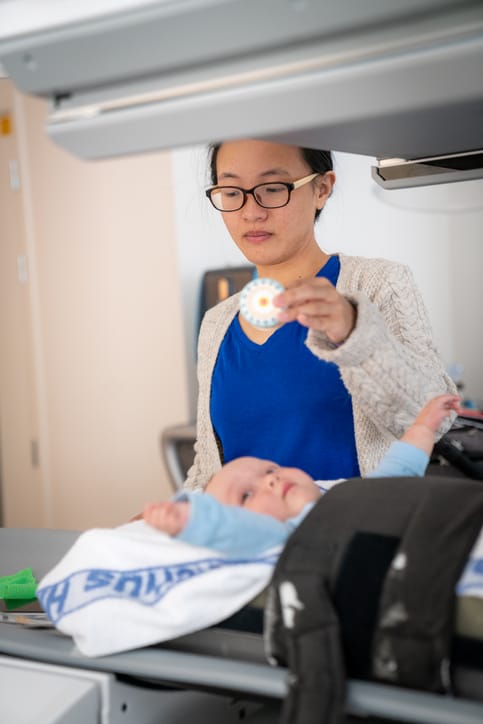
Cranial ultrasound is also the first choice for newborns with suspected bleeding on the brain. The use of sound waves in non-invasive ultrasounds is considered safe, and it is easy to perform at a newborn’s bedside, often in the NICU.
Magnetic resonance imaging (MRI) is more expensive, takes longer to perform, and requires patient transport and, potentially, sedation. However, in preterm newborns in particular, a phase-contrast MRI can detect abnormal patterns in blood and cerebrospinal fluid that may be missed in traditional imaging.
CT scans are rarely used in newborns because of the risk of ionizing radiation. However, in urgent or complex cases when results are needly rapidly, they may be considered. They are quick and effective, providing detailed images of the brain.
What’s next after imaging?
Imaging is used as part of the diagnostic process, when other symptoms of FNAIT are detected, to ensure that bleeding on the brain is not overlooked. Even if no hemorrhage is found, the risk still remains, and follow-up ultrasound or MRI scans are required until platelet counts have increased, and the danger has passed.
In cases where an ICH is detected, urgent platelet transfusions are required to boost platelets. Close monitoring in the NICU will continue. In some cases, such as a buildup of fluid on the brain, a neurosurgeon may need to operate to insert a drain to relieve the pressure.
However, in most cases, if the ICH is identified early, platelet transfusions can effectively treat the bleeding and avoid long-term brain damage.
Sign up here to get the latest news, perspectives, and information about FNAIT sent directly to your inbox. Registration is free and only takes a minute.