


Fetal and neonatal alloimmune thrombocytopenia (FNAITFetal and neonatal alloimmune thrombocytopenia A rare condition in which a mother’s immune system attacks fetal platelets, leading to dangerously low platelet levels before and/or after birth.) is a rare condition caused by a pregnant woman’s immune system mistakenly attacking her fetus’ platelets—fragments of blood that form clots and stop or prevent bleeding.
This happens when the baby’s platelets express a protein on their surface called human platelet antigenHuman platelet antigen Proteins found on the surface of platelets. Incompatibility between maternal and fetal human platelet antigens can trigger FNAIT. (HPAHuman platelet antigen Proteins found on the surface of platelets. Incompatibility between maternal and fetal human platelet antigens can trigger FNAIT.) that they inherited from their father.
Diagnosing FNAIT can be challenging, as some fetuses and infants who are affected will not show any obvious symptoms. FNAIT is also not included in routine prenatal testing. Because of this, FNAIT is most often diagnosed after delivery.

Sign up here to get the latest news, perspectives, and information about FNAIT sent directly to your inbox. Registration is free and only takes a minute.
The challenges of early diagnosis
Most infants with FNAIT are diagnosed due to visible symptoms like unexplained bruising or bleeding, which are often only noticeable after birth. The condition can be diagnosed during pregnancy, but this is not as common.

Why FNAIT likely remains under-diagnosed
Learn why FNAIT may be underdiagnosed, including limited knowledge among healthcare professionals and insufficient testing.
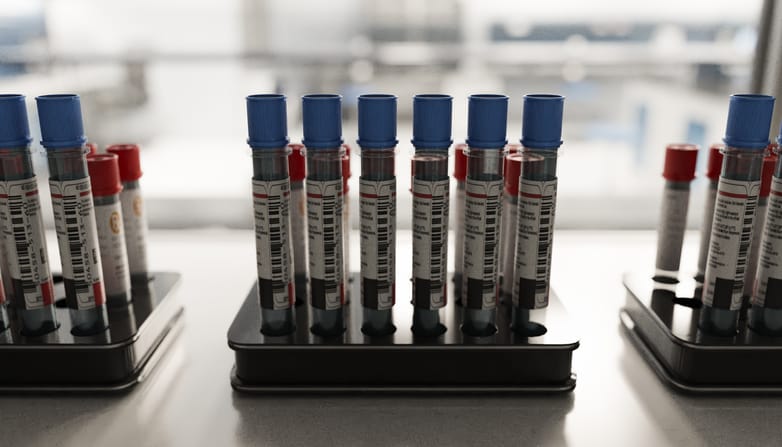
Standard test to diagnose FNAIT can miss antibodies
The standard blood test used to identify FNAIT can sometimes miss the antibodies that increase the risk.

Why FNAIT often goes undiagnosed during pregnancy
Learn more about why FNAIT often goes undiagnosed until after an infant is born.
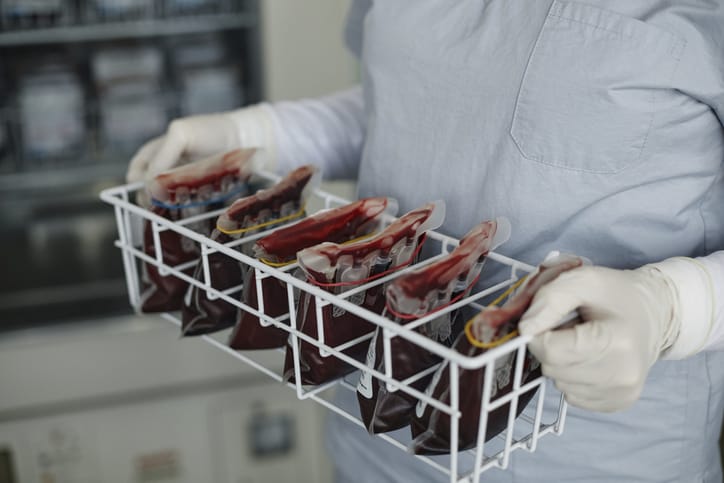
DNA tests can miss protein deficiency linked to FNAIT
Doctors may need to run RNA tests in addition to DNA tests to ensure timely diagnosis.
Diagnosing FNAIT after birth: What to expect
If your doctor suspects FNAIT, they will likely recommend further testing and immediate treatment, regardless of the outcome of the tests, as results can be delayed.
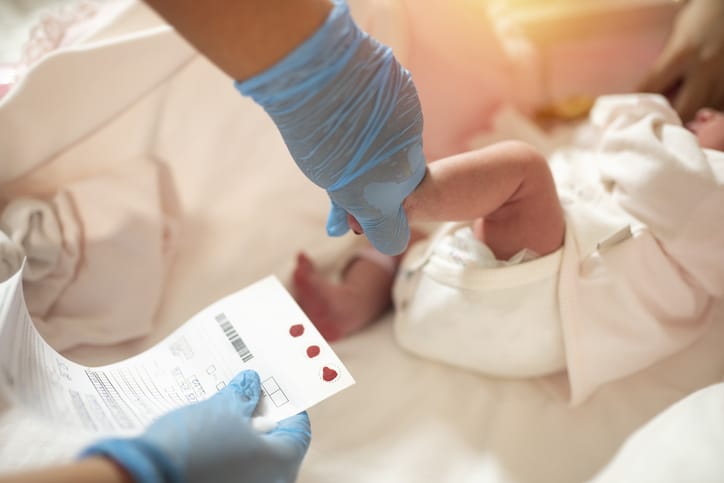
Blood work after birth to diagnose FNAIT
There are several different types of blood tests your doctor may recommend if your infant shows signs of FNAIT after delivery.
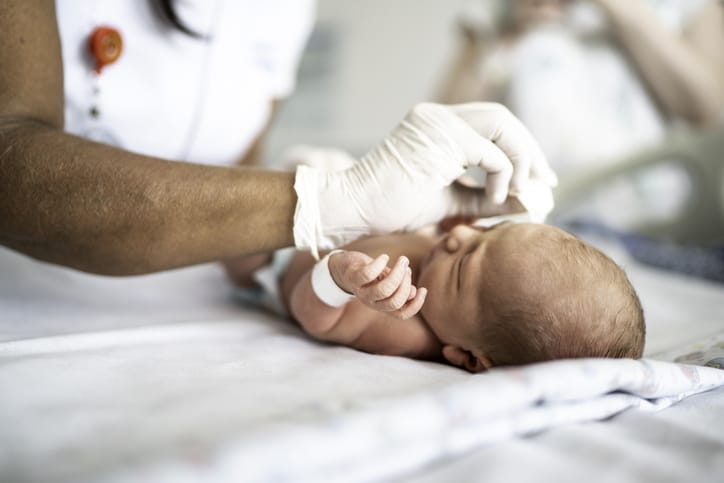
Recognizing the signs of internal bleedingFetal hemorrhage Any bleeding that occurs before birth. In FNAIT, this usually results from extremely low platelet counts. in an infant
Learn more about how to identify the signs of internal bleeding, a potential symptom of FNAIT.
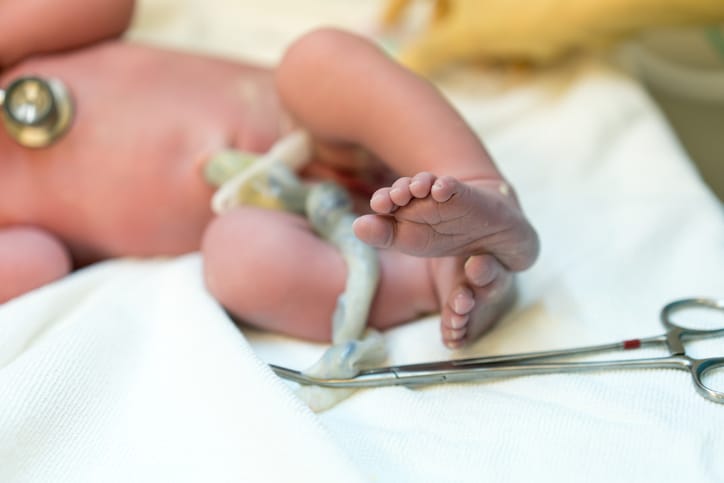
An unexpected outcome: my FNAIT diagnosis story
FNAIT columnist Robyn Babbit describes how, after carrying her daughter for nine months with no complications, a FNAIT diagnosis was not part of her plan.
Why diagnosis matters at any stage
FNAIT diagnosis is important at any stage because FNAIT is often more severe in every pregnancy after the first. If a previous child had severe symptoms, the probability of recurrenceRecurrence risk The chance that FNAIT will affect future pregnancies. Once a woman is sensitized, the risk of FNAIT in future pregnancies is high. in a subsequent pregnancy is around 70%.
However, prophylaxis with intravenous immunoglobulinIntravenous immunoglobulin A treatment given to pregnant women with a history of FNAIT or known alloantibodies. IVIG reduces the immune reaction against fetal platelets. (IVIGIntravenous immunoglobulin A treatment given to pregnant women with a history of FNAIT or known alloantibodies. IVIG reduces the immune reaction against fetal platelets.) treatment is available and can be used to reduce the risk of severe complications, particularly intracranial hemorrhageBrain bleed Bleeding inside the fetal brain, also known as an intracranial hemorrhage. In FNAIT, it's often caused by severe thrombocytopenia and can lead to long-term disability or death. (ICH), also known as a brain bleedBrain bleed Bleeding inside the fetal brain, also known as an intracranial hemorrhage. In FNAIT, it's often caused by severe thrombocytopenia and can lead to long-term disability or death. .

Why a late FNAIT diagnosis matters even after years
The risk of FNAIT in a subsequent infant is higher, which is why diagnosis still matters even years after birth.
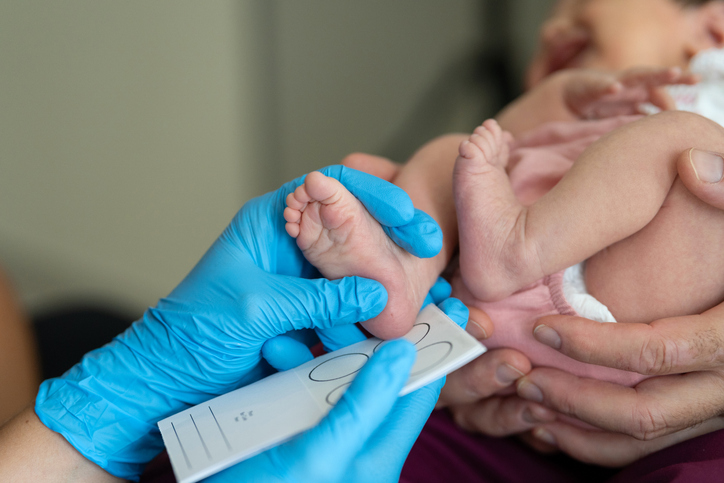
What to do if you suspect a missed FNAIT diagnosis
If you suspect your child may have had undiagnosed FNAIT, here’s what to know and what you can do.

Worried about FNAIT risk? Talk to your doctor
If you suspect your baby may be at risk, the first step is to talk to your doctor