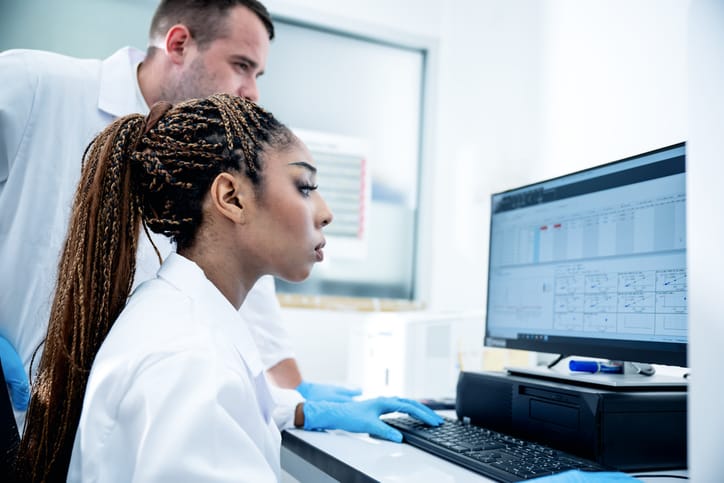
Artificial intelligence use growing in transfusion medicine
Nearly half of surveyed specialists reported using artificial intelligence to support transfusion medicine, which is used to treat FNAIT.

Nearly half of surveyed specialists reported using artificial intelligence to support transfusion medicine, which is used to treat FNAIT.

Researchers found a prevalence of almost 11% for postpartum PTSD in patients who underwent inductions for vaginal births.
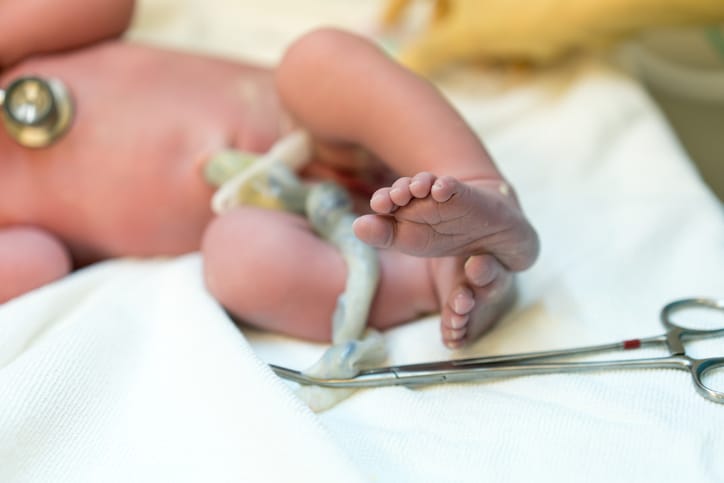
For families affected by FNAIT, the findings highlight the importance of balancing prenatal treatments with long-term monitoring.

Breastfeeding may lower a mother’s chance of having mental health challenges after giving birth, according to a recent study.

A recent case report highlighted a link between excessive maternal-paternal HLA compatibility and recurrent pregnancy losses.
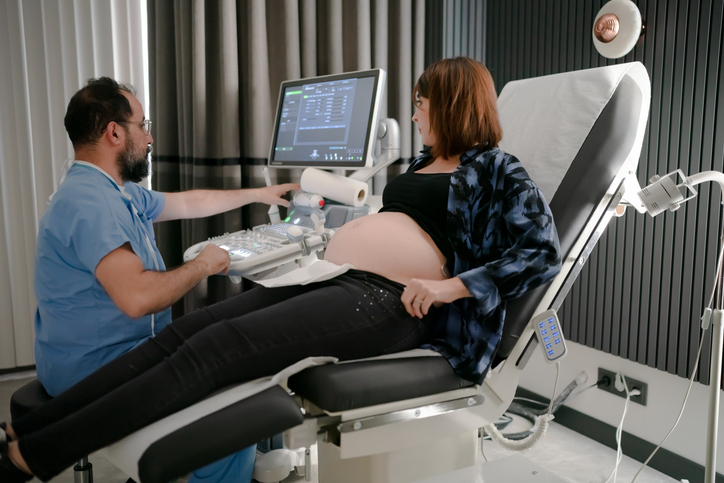
A study found a small but statistically significant increase in childhood cancer after antenatal corticosteroid exposure before 34 weeks.

Gestational thrombocytopenia, a condition that causes low blood platelets in a pregnant woman, usually does not get worse with each pregnancy.
Instead of drawing blood from a newborn, doctors can use the umbilical cord blood in certain cases, according to a recent report.
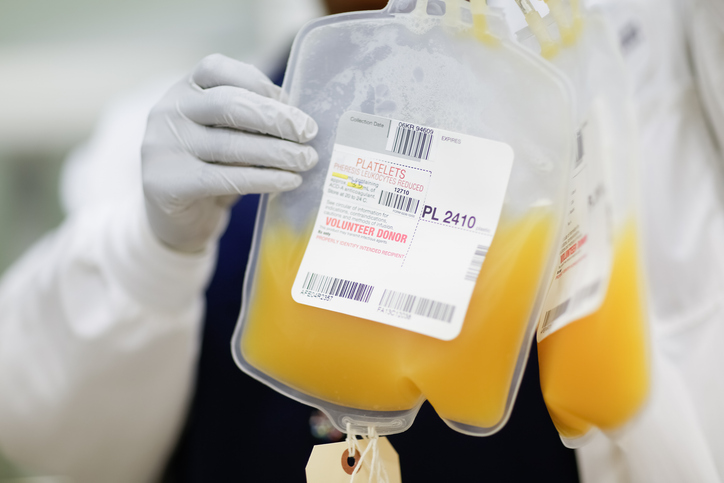
A recent study showed pathogen and cryoprecipitate-reduced plasma may reduce infectious and clotting risks in therapeutic plasma exchange.
The further exploration of desidual T cells will clarify their role in pregnancy-related disorders such as FNAIT.