
Specialist shortage affects care for high-risk pregnancies
The Society for Maternal-Fetal Medicine stated that families in maternity care deserts face longer travel times and higher risks.

The Society for Maternal-Fetal Medicine stated that families in maternity care deserts face longer travel times and higher risks.
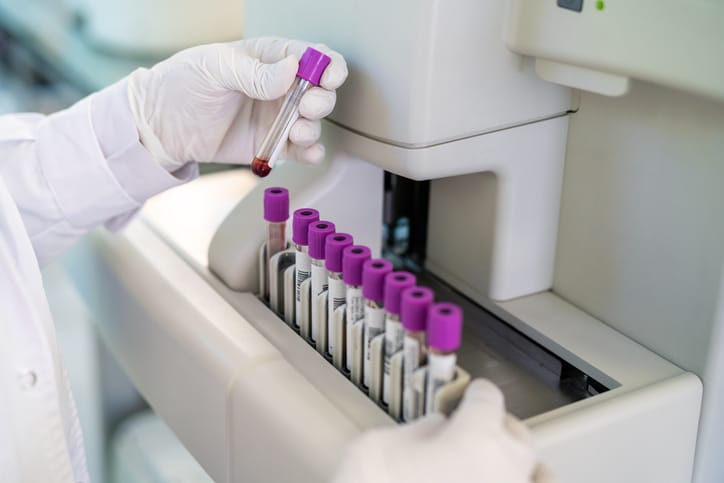
A new type of platelet transfusion for newborns was more effective than standard platelet transfusions in a recent study.

FNAIT is diagnosed far less often than expected based on national birth rates and known prevalence estimates in Canada.

A new test released by BillionToOne analyzes cfDNA in maternal blood to determine whether a fetus carries specific human platelet antigens

Researchers found an increased risk of ADHD, autism and disruptive behavior disorders in children born with FNAIT.

A recent study showed healthcare professionals want to address patients’ social needs but did not have enough resources to do so.

Researchers found gaps in care for minorities that may be due to systemic racism, language barriers, unequal healthcare access and more.

A new treatment approach for fetal and neonatal alloimmune thrombocytopenia (FNAIT) uses specific antibody levels.

Family-centered care in NICUs affects emotional, social and system-level outcomes, not just medical survival.

Adopting the updated guidelines offers significant opportunities to reduce unnecessary platelet transfusions, which are used to treat FNAIT.