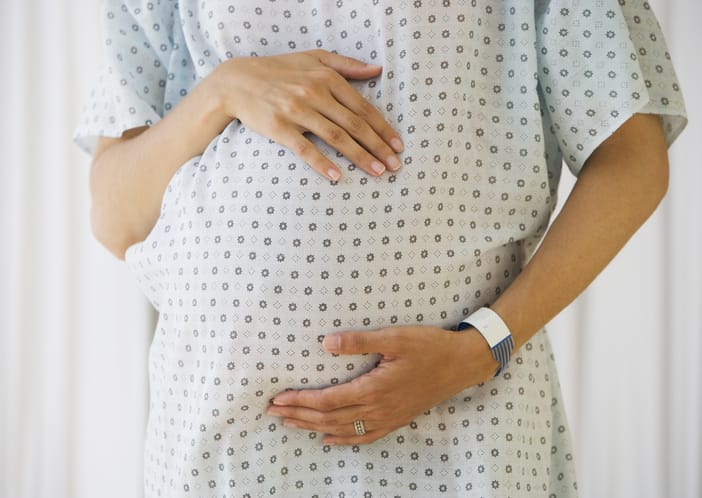
Pregnancies with blood disorders at greater risk of serious complications
The study showed immune thrombocytopenia caused most maternal near-miss cases, especially when platelet counts dropped below 50×10⁹/L.

The study showed immune thrombocytopenia caused most maternal near-miss cases, especially when platelet counts dropped below 50×10⁹/L.
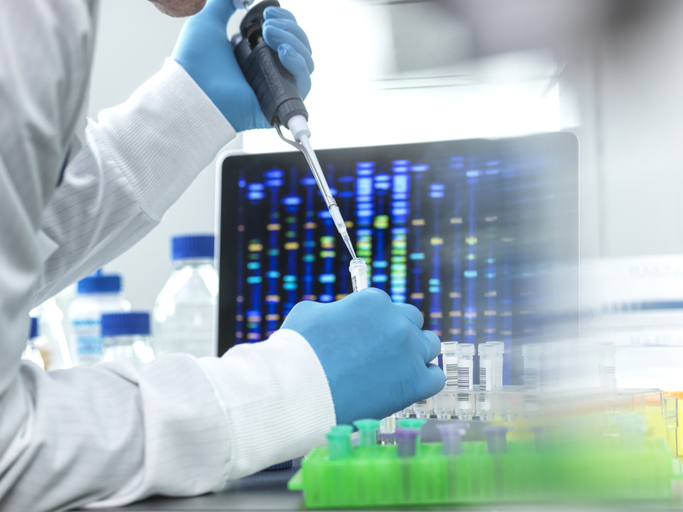
A novel mutation, revealed by advanced genetic analysis, caused fetal and neonatal alloimmune thrombocytopenia (FNAIT) in a newborn.

The addition of a sugar molecule (fucosylation) to IgG antibodies could help in determining the severity of alloimmune diseases like FNAIT.
Artificial intelligence is enhancing newborn healthcare by providing an avenue for earlier diagnosis.

A patient was diagnosed with IVIG-induced hemolytic anemia after extensive investigations were performed.

In a recent study of mothers of FNAIT-affected children, anxiety was the most common psychological symptom reported.

Nipocalimab’s success in gMG may bode well for its efficacy in treating FNAIT, a serious fetal condition with no approved therapies.

Nearly one in three babies born to mothers with Glanzmann’s thrombasthenia developed FNAIT in a recent study.

In the study, FNAIT was often associated with other conditions such as preeclampsia, neonatal sepsis and necrotizing enterocolitis.
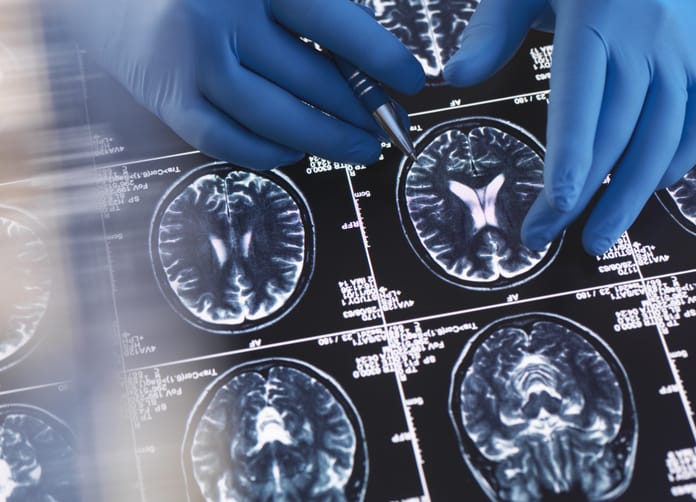
Patients diagnosed with intracranial hemorrhage pre- and postnatally may have an elevated risk of neurological and behavioral impairment.