


Fetal and neonatal alloimmune thrombocytopenia (FNAITFetal and neonatal alloimmune thrombocytopenia A rare condition in which a mother’s immune system attacks fetal platelets, leading to dangerously low platelet levels before and/or after birth.) is a rare condition in which maternal antibodies target a fetus’ or newborn’s platelets. It occurs in around one in 1,500 pregnancies, and it is the most common cause of low platelet counts, also known as thrombocytopeniaThrombocytopenia A platelet count that is lower than normal., in newborn babies.
FNAIT is caused by a pregnant woman’s immune system mistakenly attacking her fetus’ platelets—fragments of blood that form clots and stop or prevent bleeding. This happens when the baby’s platelets express a protein on their surface called human platelet antigenHuman platelet antigen Proteins found on the surface of platelets. Incompatibility between maternal and fetal human platelet antigens can trigger FNAIT. (HPAHuman platelet antigen Proteins found on the surface of platelets. Incompatibility between maternal and fetal human platelet antigens can trigger FNAIT.) that they inherited from their father.
Diagnosing FNAIT can be challenging, as some fetuses and infants who are affected will not show any obvious symptoms. FNAIT is also not included in routine prenatal testing. Testing for FNAIT may involve identifying platelet antibodies, assessing HPA compatibility and measuring platelet counts.

Sign up here to get the latest news, perspectives, and information about FNAIT sent directly to your inbox. Registration is free and only takes a minute.
Understanding FNAIT diagnosis
Read on for more information on how FNAIT is diagnosed during pregnancy, the types of tests involved and what you can expect throughout the diagnostic process.

FNAIT testing and diagnosis: an overview
Learn more about how FNAIT is diagnosed and why it is often not suspected until after an infant is born.
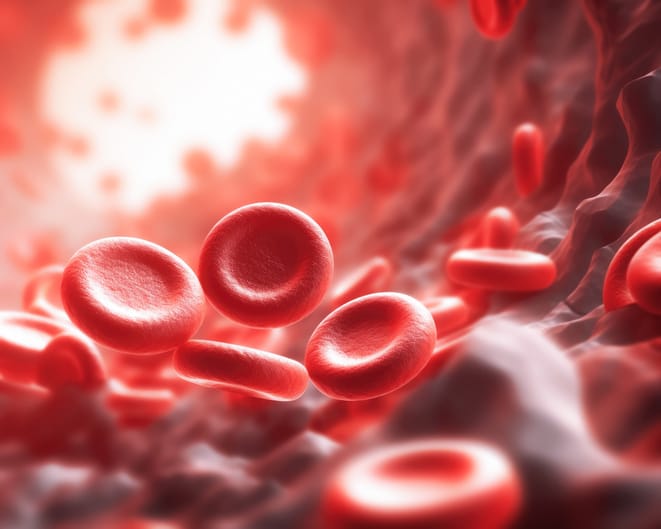
What is the role of the immune system in FNAIT?
Find out why and how a mother’s immune system can attack her fetus’s blood cells during pregnancy.
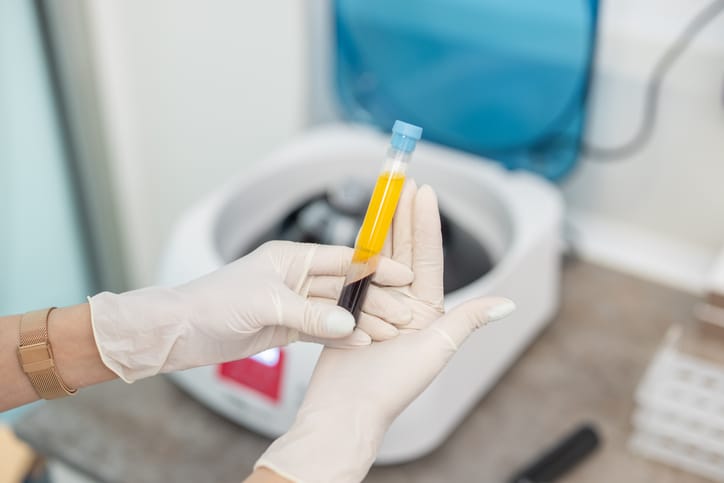
The role of platelet antigens and antibodies in FNAIT
When the pregnant mother’s immune system detects the presence of foreign platelet antigens, she begins to develop maternal antibodies against the fetus.

A guide to understanding pregnancy with FNAIT
FNAIT columnist Robyn Babbitt gives an overview of her journey with the condition, along with tips for others who have been recently diagnosed.
The challenges of prenatal testing for FNAIT
Because there are often no noticeable symptoms, FNAIT is most often suspected during pregnancy based on a mother’s medical history.

Can FNAIT risk be detected before pregnancy?
Find out more about why detecting FNAIT risk before pregnancy isn’t common.

Why FNAIT likely remains under-diagnosed
Learn why FNAIT may be underdiagnosed, including limited knowledge among healthcare professionals and insufficient testing.
Diagnosing FNAIT before birth: Understanding specialized testing
Specialized tests can help find platelet antibodies and determine whether they are responsible for FNAIT. Several tests may be necessary for an accurate diagnosis.

Genetic testing in pregnancy can help identify FNAIT
Early genetic testing in the first trimester can successfully identify pregnancies at risk of FNAIT.

What to expect during an HPA antibody screening
This test determines whether a mother’s blood contains antibodies against fetal human platelet antigens, which could put her infant at risk of FNAIT.

What to expect during a platelet typing test
Learn more about platelet typing tests, including what they are, why they’re necessary and what to expect during the procedure.

What to expect during a MAIPA test to diagnose FNAIT
An integral part of diagnostic testing, the MAIPA test is considered to be the most sensitive and specific test for detecting antibodies against specific fetal antigens.

Your guide to flow cytometry tests in FNAIT
A flow cytometry test is a non-invasive, lab-based test used in combination with other diagnostic tools in both pregnancy and post-delivery.

What to know about amniocentesis to diagnose FNAIT
Amniocentesis is an invasive procedure used to diagnose genetic, chromosomal or immune-related disorders like FNAIT.

How to prepare for a platelet immunology testing appointment
Learn more about what to expect during a platelet immunology testing appointment.
The importance of early testing and diagnosis
If you are concerned about FNAIT or think your pregnancy may be at risk, reach out to your doctor as soon as you can to discuss potential next steps.

Why early detection is vital in FNAIT
Find out why early diagnosis and treatment of FNAIT is essential to help prevent long-term effects.

Early antibody testing could help diagnose FNAIT sooner
More sensitive antibody tests can detect serious FNAIT cases that standard screening methods may miss.

Worried about FNAIT risk? Talk to your doctor
If you suspect your baby may be at risk, the first step is to talk to your doctor