
NICU program promotes collaboration between parents and staff
A study found that NICUs that successfully implement a program encouraging family involvement see improvements in family-centered care.

A study found that NICUs that successfully implement a program encouraging family involvement see improvements in family-centered care.
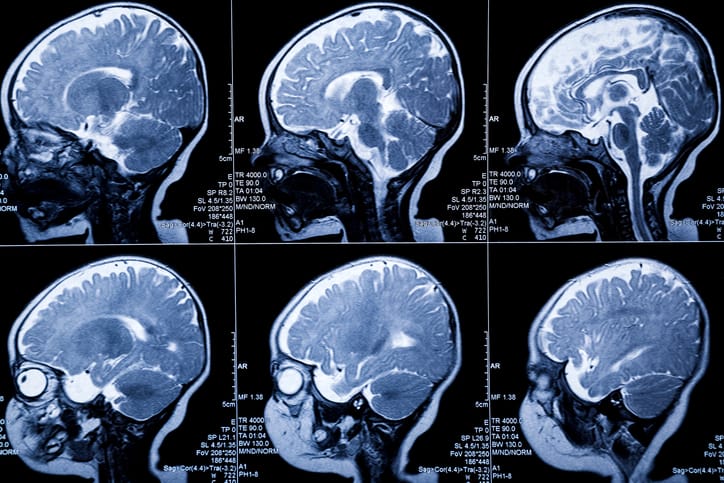
A recently published case study showed that single-gene disorders may be associated with the occurrence of fetal intracranial hemorrhage.

Genetic and antibody testing in a newborn resulted in dual diagnoses of HDFN and FNAIT, which required prompt, coordinated treatment.

While ultrasonography is often inferior to MRI in detecting cerebellar hemorrhage, increased scrutiny may improve detection rates.
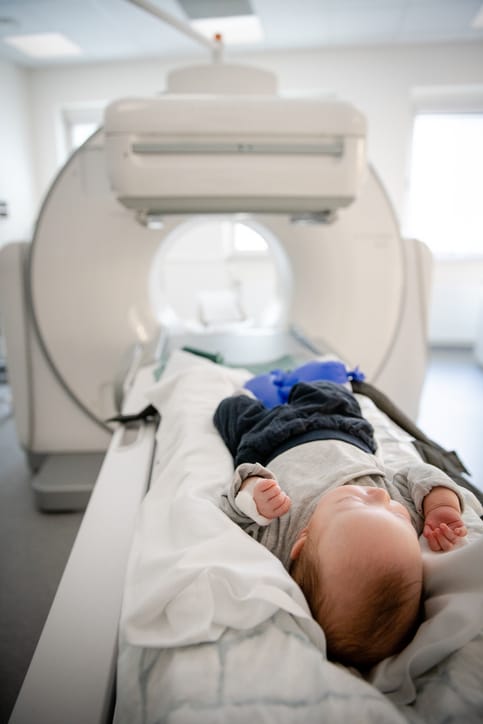
A recent study showed that fetal intracranial hemorrhages often involve a wide array of genetic abnormalities beyond known mutations.

A new assay can help detect maternal-fetal incompatibilities in blood group and platelet antigens, which can lead to conditions such as FNAIT.

A Phase 2 clinical trial is underway to evaluate the safety and pharmacokinetics of RLYB212, a monoclonal antibody treatment for preventing fetal and neonatal alloimmune thrombocytopenia (FNAIT) in pregnant women at higher risk for alloimmunization, according to study information posted recently on ClinicalTrials.gov. RLYB212 has the potential to significantly reduce risks to both mothers and […]

Non-invasive prenatal testing has enhanced safety and accuracy for alloimmunized pregnancies, including in those with FNAIT and HDFN.

A recent study found that the presence of certain antibodies may put patients at a higher risk of recurrent miscarriages.

In a recent study, functional assays more accurately assessed hemolysis risks in IVIG products, which are a frontline treatment in FNAIT.