

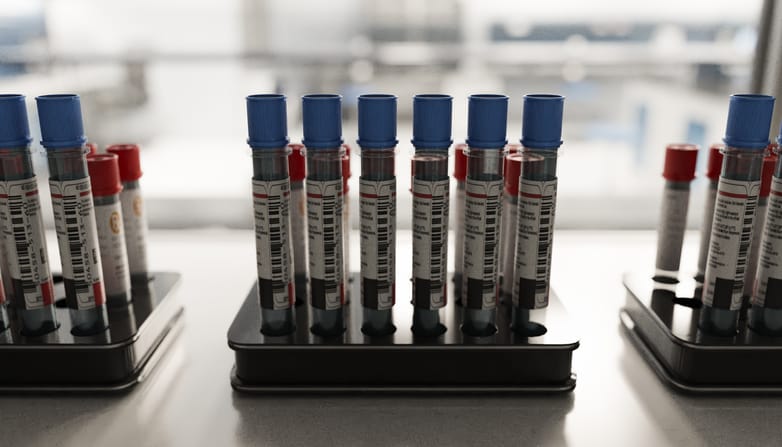
The accuracy of testing for fetal and neonatal alloimmune thrombocytopenia (FNAITFetal and neonatal alloimmune thrombocytopenia A rare condition in which a mother’s immune system attacks fetal platelets, leading to dangerously low platelet levels before and/or after birth.) can be affected by when blood samples are taken. In some patients, waiting too long to test for the condition could lead to a missed or delayed diagnosis.
Other factors that can affect accuracy include changing maternal hormone levels and the administration of blood products such as intravenous immunoglobulinIntravenous immunoglobulin A treatment given to pregnant women with a history of FNAIT or known alloantibodies. IVIG reduces the immune reaction against fetal platelets. (IVIGIntravenous immunoglobulin A treatment given to pregnant women with a history of FNAIT or known alloantibodies. IVIG reduces the immune reaction against fetal platelets.). Because of this, when FNAIT is suspected, doctors often begin treatment based on symptoms rather than a confirmed diagnosis to avoid worsening disease.
Samples taken for FNAIT testing
If FNAIT is suspected, doctors take a sample of the newborn’s blood to measure the blood platelet levels and establish a baseline. If platelet levels are low and symptoms appear such as bruising, skin discoloration, unexplained bleeding, poor feeding, lethargy and fussiness, doctors may order follow-up blood tests to see if platelet counts are rising or falling.
An ultrasound can help identify more serious complications such as an intracranial hemorrhageBrain bleed Bleeding inside the fetal brain, also known as an intracranial hemorrhage. In FNAIT, it's often caused by severe thrombocytopenia and can lead to long-term disability or death. . Fetal blood samples as well as the evolution of symptoms guides treatment decision-making, and urgent platelet transfusions are given without waiting for a confirmed diagnosis of FNAIT.
It can take up to six weeks to confirm FNAIT in a newborn due to additional tests. These include:
- Maternal alloantibodyAlloantibody An antibody a pregnant woman develops in response to fetal platelets that carry a different human platelet antigen. These antibodies can cross the placenta and destroy fetal platelets. testing: Detects the maternal antibodies that are attacking the baby’s platelets.
- HPAHuman platelet antigen Proteins found on the surface of platelets. Incompatibility between maternal and fetal human platelet antigens can trigger FNAIT. genotypingGenotyping A laboratory test that identifies which platelet antigens a person carries. Often used to confirm HPA incompatibility and assess recurrence risk. of the mother, father and baby: Identifies the genetic human platelet antigen (HPA) incompatibility that caused FNAIT.
When taking blood samples to diagnose FNAIT:
- Samples need to be taken before the baby starts treatment to ensure accurate readings of the levels of maternal antibodies.
- Maternal samples need to be taken as soon as possible post-delivery to ensure accurate readings. However, if IVIG was administered during pregnancy, this may affect antibody readings and as antibody levels can fluctuate as a result of hormonal changes. If results of maternal samples don’t match the suspected FNAIT diagnosis, the samples may need to be repeated to be sure.
Why diagnosis is so important
In some cases, a newborn may have already been treated and recovered from FNAIT before a diagnosis is confirmed. However, a diagnosis of FNAIT is important for subsequent pregnancies, as there is a 90% chance of FNAIT recurring.
A formal diagnosis can help guide the approach to pregnancy, informing care and treatment to ensure the best outcomes for future babies.