
Following a high-risk pregnancy due to fetal and neonatal alloimmune thrombocytopenia (FNAIT), much of your focus will probably be on your baby’s treatment and recovery. However, it’s important to take the time to acknowledge the physical and emotional effects pregnancy has had on your body and mental health.
A high-risk pregnancy can cause you to feel disconnected from your body, as if you have a lack of control. Rebuilding trust in your body after this life-altering event involves taking steps to process everything you have been through and focusing on your body’s strengths.
Process your emotions
Any feelings of guilt, anger or fear you may be experiencing after a high-risk pregnancy are valid. Prioritizing emotional healing through therapy or support groups can help to heal your trauma and ultimately reconnect with your body.
Reframing your perception of your body from one that struggled to one that deserves to be appreciated can help promote a positive body-image. Perinatal mental health professionals such as psychiatrists, therapists or social workers are always available to provide extra support.
Read more about helpful links and resources for FNAIT
Set reasonable expectations for yourself
After pregnancy, your body won’t look or function the same as it did before. In the case of a high-risk pregnancy, you may be even more aware of these changes. By setting realistic expectations for your recovery, you can actively recognize your new reality while also committing to developing confidence in your body.
Limit social media use
While social media can be incredibly useful for finding support groups, you should think carefully about the content you are consuming. Social media disproportionately contains content related to idealized—and often unrealistic—post-pregnancy body standards.
To rebuild trust in your own body, you mustn’t compare your experiences to those of others. In the case of social media, this is especially critical, since narratives shared online can be exaggerated or misleading.
Establish an exercise routine
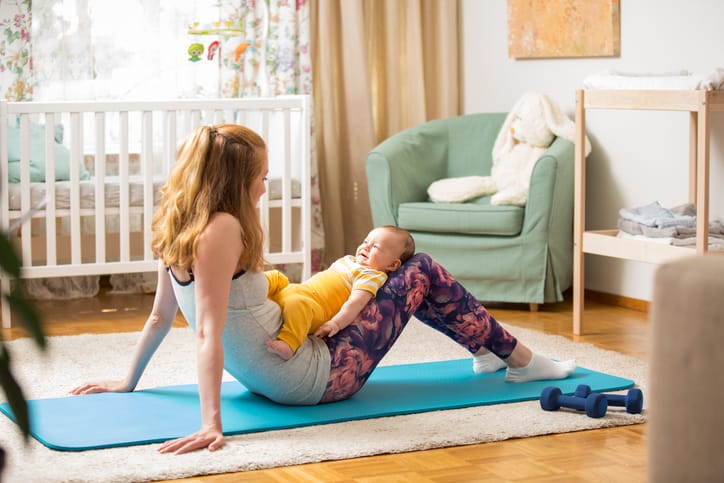
A key aspect of reconnecting with your body after pregnancy involves recognizing your strength. During the postpartum period, exercising has several benefits:
- Reduces stress levels.
- Improves sleep quality.
- Boosts energy.
- Supports muscle strength and tone.
After a high-risk pregnancy, you should always consult your doctor to make sure it’s safe to begin exercising. However, simple exercises, like walking, yoga, stretching or pilates might be suitable options. Even a few minutes a day of exercise can enhance your overall well-being.
Be patient with yourself
Above all, you will have to be patient and compassionate with yourself as you rebuild trust in your body. Try to rest both your mind and body to give them the time needed to heal if you start feeling overwhelmed.
Sign up here to get the latest news, perspectives, and information about FNAIT sent directly to your inbox. Registration is free and only takes a minute.