The role of pediatric hematologists in FNAIT management
Learn more about the role of a pediatric hematologist in diagnosing and managing FNAIT and caring for both mother and baby.

Learn more about the role of a pediatric hematologist in diagnosing and managing FNAIT and caring for both mother and baby.
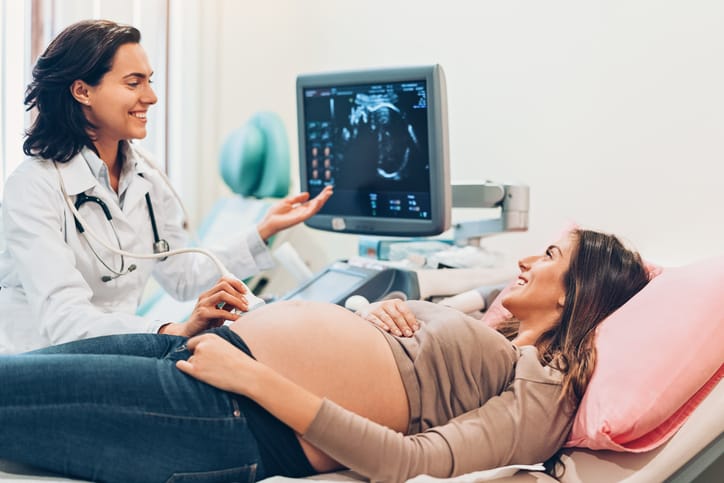
Learn about how ultrasounds can detect complications related to FNAIT, including hemorrhages in the brain and other organs.

Signs and symptoms of FNAIT may differ depending on if the pregnancy is the mother’s first or if she has had previous pregnancies.
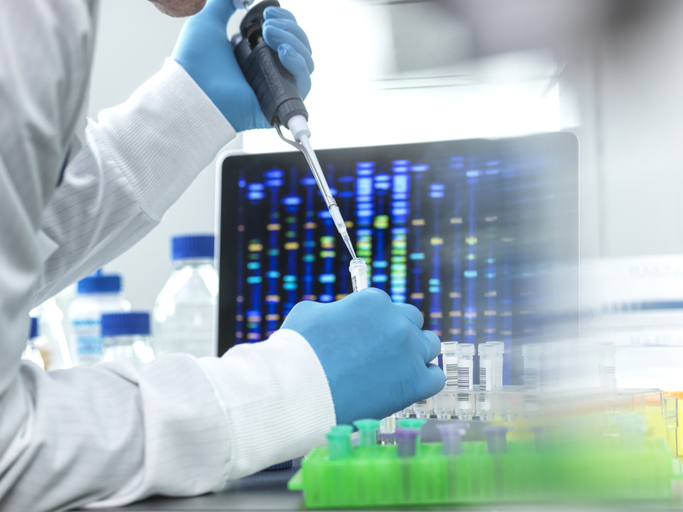
Learn more about what causes FNAIT and how genetic factors can affect the chances of an infant developing the rare disease.
Learn more about how the health of a woman’s placenta can affect the development and overall outcome of FNAIT in her infant.

Learn more about the risks associated with FNAIT and why it may be best to change your birth plan if your pregnancy is high-risk.
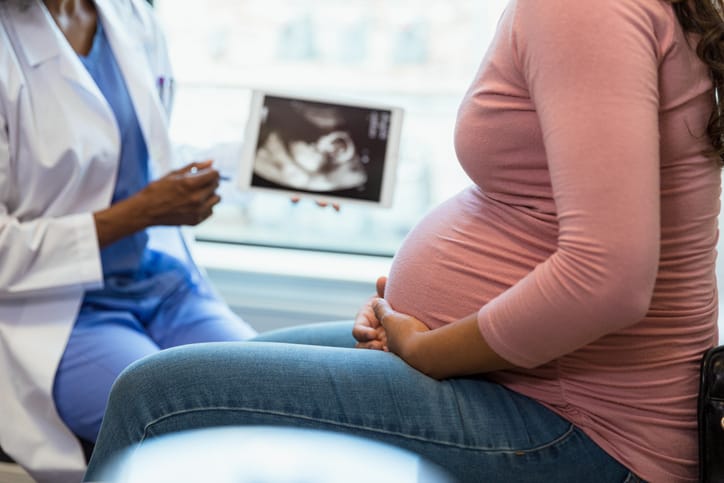
Maternal-fetal medicine specialist can provide specialized and individualistic care in pregnancies affected by FNAIT.

Learn more about the long-term effects FNAIT may have on a child’s development, including brain damage and intellectual disability.

Pregnancies affected by FNAIT often result in premature birth, but this can only be predicted if there is already a known risk of FNAIT.

If you suspect your infant may be at risk of FNAIT or if they were previously diagnosed, there are ways to treat or prevent the condition from worsening.