

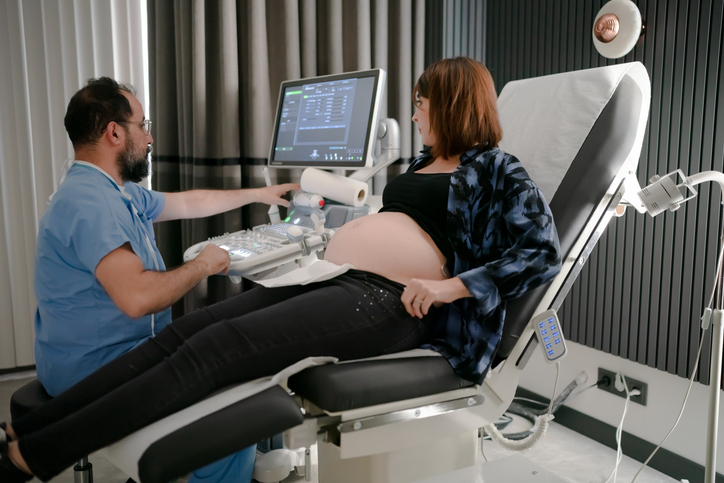
As in most conditions affecting pregnancy, early detection of fetal and neonatal alloimmune thrombocytopenia (FNAITFetal and neonatal alloimmune thrombocytopenia A rare condition in which a mother’s immune system attacks fetal platelets, leading to dangerously low platelet levels before and/or after birth.) is essential to avoid severe consequences for the fetus or neonate.
There is currently no standard prenatal screening for FNAIT, so screening during pregnancy is based on medical history and risk factors. In most cases, FNAIT is diagnosed post-delivery, and urgent treatment is required to prevent life-threatening complications.
Why is early detection important?
FNAIT is a rare, but potentially devastating hematological autoimmune disorder. It affects 0.1% of births and can occur when there is an incompatibility between the maternal and fetal platelets due to a paternally inherited antigen. In response, the mother develops antibodies to her fetus’s blood platelets, which cross the placenta and destroy the platelets. Abnormally low levels of platelets mean the baby’s blood doesn’t clot normally, placing the baby at risk of severe bleeding in the brain, stomach, spinal cord, kidneys and liver.
Learn more about FNAIT testing and diagnosis
If undiagnosed, diagnosed too late or left untreated, FNAIT can lead to intracranial hemorrhageBrain bleed Bleeding inside the fetal brain, also known as an intracranial hemorrhage. In FNAIT, it's often caused by severe thrombocytopenia and can lead to long-term disability or death. (ICH) in the fetus and full-term neonate, which can result in major neurological damage or death.
FNAIT can occur in the first pregnancy and/or in subsequent pregnancies, but once the mother has developed antibodies, the risk of severe thrombocytopenia in future pregnancies is higher.
Diagnosing FNAIT
Diagnostic testing for FNAIT during pregnancy is performed via a non-invasive fetal HPAHuman platelet antigen Proteins found on the surface of platelets. Incompatibility between maternal and fetal human platelet antigens can trigger FNAIT.-1a typing tool. This is typically only performed if an older sibling has the condition or if the fetus has unexplained bleeding.
If a newborn is delivered with bruising or skin discoloration from bleeding under the skin or bruising and/or bleeding in major organs, the mother and fetus will likely undergo testing for FNAIT. Maternal anti-HPA antibody screening will be carried out, followed by HPA genotypingGenotyping A laboratory test that identifies which platelet antigens a person carries. Often used to confirm HPA incompatibility and assess recurrence risk. of the mother, father and newborn. Often, if FNAIT is suspected, the maternal-fetal specialist will not wait for the results and will likely want to intervene and begin treatment immediately.
Treatment of FNAIT in utero
As FNAIT is often diagnosed after delivery, if severe thrombocytopeniaSevere thrombocytopenia A dangerously low platelet count, typically below 50,000 platelets per microliter and sometimes far lower in FNAIT. is detected in the newborn, immediate treatment is required. Treatment in the neonate involves a transfusion of platelets and intravenous immunoglobulinIntravenous immunoglobulin A treatment given to pregnant women with a history of FNAIT or known alloantibodies. IVIG reduces the immune reaction against fetal platelets. (IVIGIntravenous immunoglobulin A treatment given to pregnant women with a history of FNAIT or known alloantibodies. IVIG reduces the immune reaction against fetal platelets.). A cranial ultrasound will also be performed to check for ICH.
When identified in utero, the fetus can be treated by the mother receiving IVIG, steroids or serial intrauterine platelet transfusions (IUPT). However, the use of IUPT is less common, as it is an invasive procedure and, in many cases, may be considered too great a risk to the fetus. Early delivery by Cesarean section may also be advised to reduce the onset of ICH.