

Newborns can experience fetal and neonatal alloimmune thrombocytopenia (FNAITFetal and neonatal alloimmune thrombocytopenia A rare condition in which a mother’s immune system attacks fetal platelets, leading to dangerously low platelet levels before and/or after birth.) without exhibiting any symptoms, apart from a low blood platelet countPlatelet count A measure of how many platelets are in the blood. FNAIT is characterized by severely reduced counts in a fetus or newborn. or thrombocytopeniaThrombocytopenia A platelet count that is lower than normal..
A lack of symptoms means a lower risk for the baby, but close monitoring is still required to ensure the best outcomes. It is also important to establish a clear diagnosis of FNAIT to help in proactively preparing for future pregnancies.
What is FNAIT?
Fetal and neonatal alloimmune thrombocytopenia (FNAIT) is a rare but serious condition that affects 0.1% of pregnancies in which a pregnant mother’s immune system produces antibodies against the platelets of her fetus. This occurs when a fetus inherits platelet antigens from the father that are not compatible with the mother, typically involving a protein called human platelet antigen (HPA). The mother’s immune system recognizes the fetal platelets as foreign, attacking and destroying them, leading to low platelet levels (thrombocytopenia) in the fetus or newborn.
How to confirm a diagnosis of FNAIT
A diagnosis of FNAIT in newborns usually starts with the identification of mild to more severe symptoms. These can include bleeding under the skin causing red pin prick skin discolorations called petechiae and purple patches called purpura, bruising or hematomas, cephalohematoma or bleeding under the scalp, blood in the stools, bleeding in the eyes and lungs. However, if there are no visible symptoms, the first sign of FNAIT can be limited to a low blood platelet count.
Learn more about FNAIT testing and diagnosis
If no medical treatment is required and the baby is not at risk, it may seem easier to skip the FNAIT diagnostic tests. However, future pregnancies will benefit from obtaining a diagnosis.
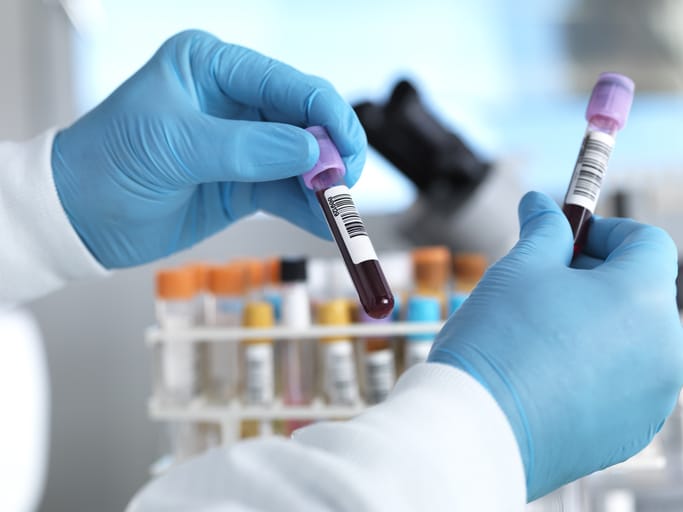
FNAIT diagnostic tests can take from two to six weeks, depending on lab capacity and include testing the mother’s blood for anti-HPAHuman platelet antigen Proteins found on the surface of platelets. Incompatibility between maternal and fetal human platelet antigens can trigger FNAIT. antibodies and HPA genotypingGenotyping A laboratory test that identifies which platelet antigens a person carries. Often used to confirm HPA incompatibility and assess recurrence risk. of the mother, father and newborn.
Effect on future pregnancies
Maternal antibodies produced in a first FNAIT remain in the mother’s body, meaning that subsequent pregnancies are likely to be impacted. The estimated recurrenceRecurrence risk The chance that FNAIT will affect future pregnancies. Once a woman is sensitized, the risk of FNAIT in future pregnancies is high. rate of FNAIT in future pregnancies is high, at 90%. It is therefore important to confirm a diagnosis of FNAIT in a first pregnancy. Mild symptoms in a first FNAIT pregnancy don’t necessarily mean a similar experience for subsequent pregnancies. It is also important to note that mothers of children with FNAIT may have a higher risk of miscarriage.
In subsequent pregnancies, where FNAIT is a risk factor, prenatal care includes close monitoring with MCA Dopplers, blood tests and proactive treatment with intravenous immunoglobulinIntravenous immunoglobulin A treatment given to pregnant women with a history of FNAIT or known alloantibodies. IVIG reduces the immune reaction against fetal platelets. to help delay or prevent the onset of FNAIT in the fetus. Steroids can also be used to suppress antibody production.
As the anti-platelet antibodies are pre-existing, they can affect the baby as early as the first trimester. The severity of FNAIT may also be greater in subsequent pregnancies.
Sign up here to get the latest news, perspectives, and information about FNAIT sent directly to your inbox. Registration is free and only takes a minute.


