

Brain bleeds, also known as intracranial hemorrhageBrain bleed Bleeding inside the fetal brain, also known as an intracranial hemorrhage. In FNAIT, it's often caused by severe thrombocytopenia and can lead to long-term disability or death. (ICH), are the most severe complication of fetal and neonatal alloimmune thrombocytopenia (FNAITFetal and neonatal alloimmune thrombocytopenia A rare condition in which a mother’s immune system attacks fetal platelets, leading to dangerously low platelet levels before and/or after birth.). Around 10% to 20% of individuals with FNAIT may develop ICH.
Even though awareness of the disease is growing, FNAIT still goes underdiagnosed today, raising the risk of long-term complications due to ICH.
What is ICH?
ICH is a type of stroke that occurs when blood vessels within the skull leak or rupture, causing blood to pool either inside the brain or in the space between the skull and brain. “Intracranial hemorrhage” is an umbrella term for the different types of brain bleeds, which include:
- Epidural hemorrhageFetal hemorrhage Any bleeding that occurs before birth. In FNAIT, this usually results from extremely low platelet counts..
- Subdural hemorrhage.
- Subarachnoid hemorrhage.
- Intracerebral hemorrhage.
- Intraventricular hemorrhage.
The severity and symptoms of ICH vary widely and depend on many factors, including the size and location of the bleed, along with the amount of time the bleed goes untreated. In any case, ICH should be taken very seriously, as it can be life-threatening.
Read more about FNAIT signs and symptoms
Signs of missed ICH
There are several neurodevelopmental signs you should look out for if you expect a missed case of ICH.
Motor and neurological signs
Some patients experiencing ICH might experience numbness, weakness or paralysis of certain parts of the body. Children may also have severe headaches and difficulty with coordination.
Other neurological signs of missed ICH include cerebral palsy, hearing loss and vision impairment.
Behavioral signs
Children with ICH may also display noticeable changes in behavior. For example, you may notice confusion or irritability. In some cases, children may display sudden personality changes.
If your child experiences depression, anxiety or difficulty socializing, it may also be a sign of undiagnosed ICH.
Cognitive signs
In the long-term, ICH can lead to delayed academic progress, as well as trouble with information processing and memory. Some children may require additional academic support.
What to do if you notice the signs of missed ICH
Many of these symptoms are non-specific and may not necessarily mean ICH is present. However, if your child exhibits many of these signs, you should consider setting up an appointment with your doctor to rule out ICH.
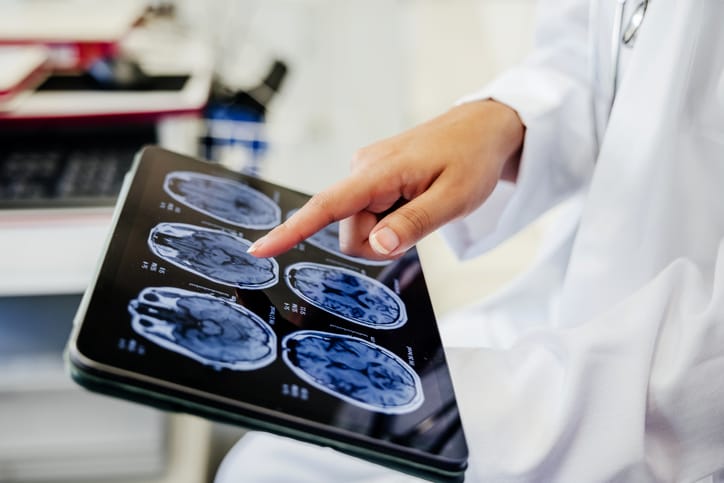
The testing for ICH typically involves computed tomography (CT) and magnetic resonance imaging (MRI) scans, both of which are noninvasive. Contrast dye may also be used to help detect a potential hemorrhage.
If ICH isn’t seen on either of these imaging tests but you still suspect the condition, a lumbar puncture can be performed to see if there is any blood in the cerebrospinal fluid; this may occur with subarachnoid hemorrhage.
Sign up here to get the latest news, perspectives, and information about FNAIT sent directly to your inbox. Registration is free and only takes a minute.