
Study: Optimizing platelet transfusions improved preterm infant outcomes
In a recent study, a 10 mL/kg standardized dose for platelet transfusions reduced neonatal platelet exposure without increasing risks.

In a recent study, a 10 mL/kg standardized dose for platelet transfusions reduced neonatal platelet exposure without increasing risks.
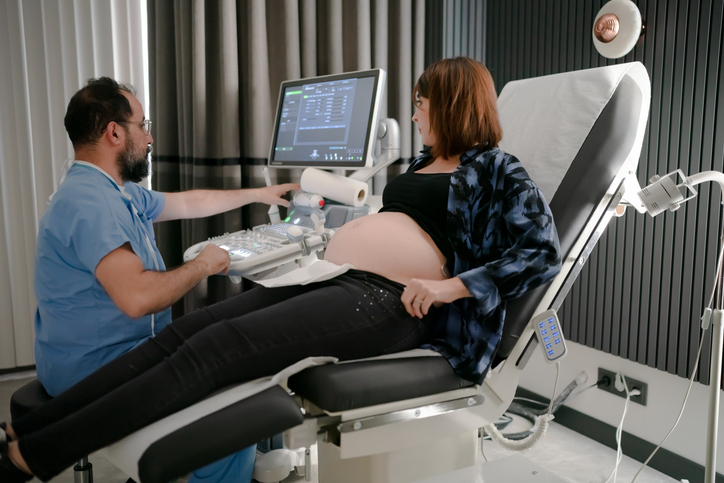
The use of antenatal anti–human platelet antigen-1a (HPA-1a) screening for FNAIT has shown to be cost effective in Europe.
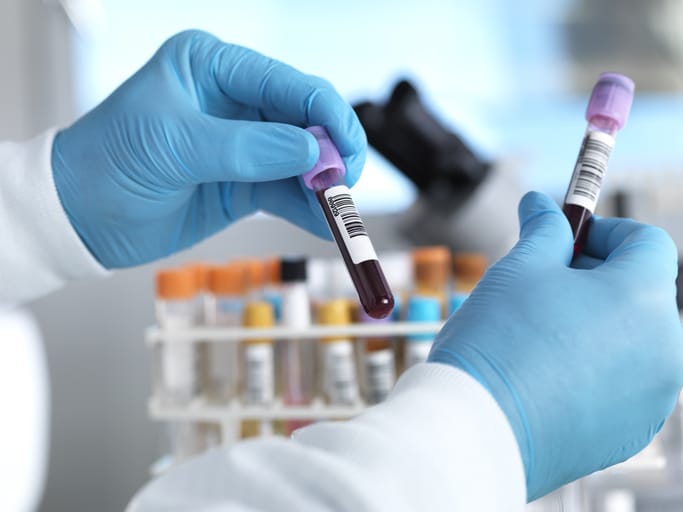
Comprehensive care strategies could improve outcomes for patients experiencing platelet transfusion refractoriness.

A recent educational case report described a case of FNAIT in which the mother did not receive adequate prenatal care and testing.

A specific immune cell ratio may be able to predict pregnancy outcomes in women with recurrent pregnancy loss.

A recent study showed a potential FNAIT treatment was successful in mice.

A recent study found there was no association with low maternal platelet count with the eventual diagnosis of neonatal thrombocytopenia.

A new Phase II clinical trial investigating the experimental RLY212 in pregnant patients at risk of FNAIT has recently begun.

A Phase 3 clinical trial aiming to assess the safety and efficacy of nipocalimab in pregnancies at risk of FNAIT is set to begin soon.

A recent case report describes a case of suspected FNAIT in Nigeria that ultimately resulted in the death of the infant.