

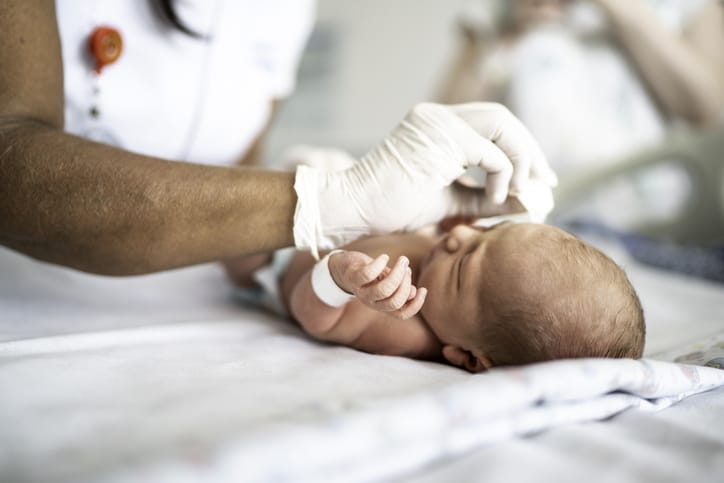
For families affected by fetal and neonatal alloimmune thrombocytopenia (FNAITFetal and neonatal alloimmune thrombocytopenia A rare condition in which a mother’s immune system attacks fetal platelets, leading to dangerously low platelet levels before and/or after birth.), going home can feel both exciting and potentially nerve-wracking. After days or weeks in the neonatal intensive care unitNeonatal intensive care unit A specialized hospital unit for newborns who need close monitoring and treatments such as platelet transfusions. (NICUNeonatal intensive care unit A specialized hospital unit for newborns who need close monitoring and treatments such as platelet transfusions.), discharge represents a major milestone.
Before this moment arrives, care teams follow a clear set of criteria designed to ensure babies are stable enough to be safe outside the hospital.
Stable platelet counts
The most important factor guiding discharge is platelet stability. Because FNAIT causes dangerously low platelet levels, doctors need to be confident that counts are rising and remaining stable without frequent emergency intervention.
Typically, this means:
- Platelet counts have reached a safer range
- The baby no longer requires frequent platelet transfusions
- Blood test results remain consistent over several days
Doctors also look for a clear trend. Even if platelet counts are not fully “normal,” a steady upward pattern can signal that the baby’s immune system is no longer rapidly destroying platelets.
No signs of active bleeding
Before discharge, the medical team carefully checks for any evidence of ongoing bleeding. This includes visible signs, such as bruising or petechiae (tiny red, purple or brown spots caused by broken capillaries), as well as more serious complications like internal bleedingFetal hemorrhage Any bleeding that occurs before birth. In FNAIT, this usually results from extremely low platelet counts..
Learn more about FNAIT prognosis
Many babies with FNAIT undergo brain imaging earlier in their hospital stay to check for intracranial hemorrhageBrain bleed Bleeding inside the fetal brain, also known as an intracranial hemorrhage. In FNAIT, it's often caused by severe thrombocytopenia and can lead to long-term disability or death. . By the time discharge is considered, doctors want reassurance that:
- No new bleeding has developed
- Any earlier bleeding has stabilized
- The baby shows no neurological concerns linked to bleeding
This step is essential because the risk of bleeding is highest in the first days and weeks of life.
Feeding and growth milestones
Beyond platelet counts, babies must show they can thrive outside intensive care. Feeding is a major focus of discharge planning.
Most NICUs look for babies who can:
- Feed effectively by breast or bottle, or have a clear feeding plan in place
- Gain weight consistently
- Maintain normal body temperature without specialized support
These milestones help ensure the baby is strong enough for the transition home.
Preparing parents for life at home
Discharge is not only about the baby’s readiness, but family readiness, as well. Before leaving the hospital, parents usually receive guidance on what to expect in the weeks ahead.
This preparation often includes:
- Learning signs of bleeding to watch for
- Understanding follow-up blood tests and clinic visits
- Knowing when to seek urgent medical care
Families may also receive instructions about safe handling and avoiding activities that could increase bleeding risk in the early weeks.
With clear guidance, ongoing monitoring and a growing understanding of the condition, families can move forward feeling prepared, supported and hopeful about the road ahead.
Sign up here to get the latest news, perspectives, and information about FNAIT sent directly to your inbox. Registration is free and only takes a minute.